Plastic Free Kitchen Swaps for a Low Waste Home
Plastic waste often builds up quietly in the kitchen. Think about the small items used every day—cling wrap covering leftovers, plastic sandwich bags for school lunches, disposable wipes for wiping benches, and cheap utensils that wear out after a few months. These items are convenient, but they are also designed to be replaced frequently.
Many households looking to create a low waste kitchen start by focusing on these everyday habits. Small plastic free kitchen swaps can replace items that are regularly thrown away without changing how meals are cooked or how the kitchen works.
Fortunately, many eco friendly kitchen products are designed to perform the same tasks as disposable items while lasting much longer. Reusable food storage, durable utensils, and longer-lasting cleaning tools can fit easily into routines like meal prep, storing leftovers, and packing lunches.
If you're exploring sustainable swaps across the home, our guide to eco friendly products in Australia highlights practical alternatives that many households are already using.
This guide explores realistic ways to reduce disposable plastic in the kitchen and explains how simple changes can make everyday routines easier and more durable over time.
Why Plastic Free Kitchen Products Matter
Kitchens generate a surprising amount of waste because they rely on products designed for convenience. Items used for cooking, storing food, and cleaning are often made from plastic that wears out quickly.
Common examples include cling wrap, sandwich bags, disposable wipes, and plastic utensils. These items may only be used once or may last only a short time before being replaced.
Choosing plastic free kitchen products helps reduce how often these items need to be thrown away. Durable materials such as wood, bamboo, stainless steel, and glass are designed to handle daily kitchen tasks for much longer.
Because kitchens are used constantly throughout the day, even small changes—like replacing a few frequently discarded items—can significantly reduce repeat purchases and unnecessary waste.
Replace Plastic Wrap
Cling wrap is often the first item people think about when trying to reduce kitchen waste. It is commonly used to cover bowls in the fridge, wrap sandwiches for lunch, or seal leftover meals after dinner.
The difficulty with cling wrap is that it is almost always single use. Once stretched over a bowl or wrapped around food, it typically goes straight into the bin.
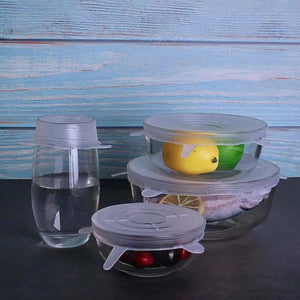
Reusable alternatives can handle the same tasks without needing to be thrown away each time. Silicone lids, reusable containers, and food covers are designed to stretch over bowls or seal containers securely.
These options work well for everyday situations like covering a salad bowl overnight or storing leftover pasta. Instead of tearing off another sheet of plastic wrap, the same cover can be washed and used again.
Over time, this swap often becomes second nature because the reusable cover sits in the same kitchen drawer where cling wrap once lived.
Plastic Free Food Storage
Food storage is another area where disposable plastic becomes routine. Many households use plastic bags to pack snacks, store chopped vegetables, or organise leftovers.
These bags are convenient, especially when preparing lunches or storing ingredients during meal prep. However, they are often thrown away after a single use.
Reusable food storage options offer a more durable solution. Reusable silicone storage bags, and sturdy lunch containers are designed for repeated use.
They work particularly well in practical situations such as packing school lunches, storing cut fruit in the fridge, or organising prepared ingredients for the week’s meals.
Reusable storage containers also make pantry organisation easier. Containers can stack neatly in cupboards and can often move between the fridge, freezer, and microwave without needing multiple storage options.
Plastic Free Cooking Tools
Cooking utensils are another item that often needs replacing. Many plastic spatulas, ladles, and spoons can warp or crack after repeated use, especially when exposed to heat.
When these tools wear out, they are usually replaced with another inexpensive plastic version. Over time, this leads to a cycle of frequent replacements.
Switching to durable cooking tools made from wood, bamboo, or stainless steel can break that cycle. These materials are designed for everyday cooking tasks and tend to last much longer.
For example, wooden spoons and bamboo spatulas are gentle on cookware and can handle regular use. Stainless steel tools are sturdy and easy to clean.
Households looking to upgrade their cooking tools can explore a range of practical sustainable kitchen utensils designed for everyday kitchen tasks.
Because these tools last longer, they reduce the need to replace worn utensils every few months.
Reusable Cleaning Cloths and Dishwashing Tools
Cleaning products are another hidden source of disposable waste in the kitchen. Disposable wipes and short-life sponges are commonly used to wipe benches, clean spills, and wash dishes.
However, these products tend to wear out quickly. Many households go through several sponges every month.
Reusable cleaning cloths offer a simple alternative. Cloths can handle daily tasks such as wiping kitchen benches, cleaning up spills, and drying dishes.
After use, they can simply be rinsed or washed and used again.
Similarly, longer-lasting dishwashing tools such as durable dish brushes or thicker reusable cloths can reduce how often cleaning tools need to be replaced.
This swap works particularly well in busy kitchens where benches are wiped frequently and dishes are washed multiple times a day.
Simple Plastic Free Kitchen Swaps
Many people begin with small changes that are easy to introduce into daily routines. Starting with the most frequently replaced items often makes the biggest difference.
- cling wrap → reusable food covers
- disposable storage bags → reusable food storage
- plastic utensils → durable kitchen tools
- disposable wipes → reusable cleaning cloths
- short-life dish sponges → longer-lasting dish tools
These simple eco friendly kitchen swaps focus on replacing items that are used repeatedly throughout the week.
Because these swaps fit naturally into everyday habits, they often become permanent changes without requiring much adjustment.
How to Build a Plastic Free Kitchen Gradually
Building a more sustainable kitchen usually works best as a gradual process. Replacing everything at once can be expensive and may result in throwing away items that are still usable.
Many households prefer to replace items only when they wear out. For example, a plastic spatula might be replaced with a wooden one when it finally melts or cracks.
Another approach is to focus on high-use items first. Replacing frequently used products—such as food storage containers or cleaning cloths—often has the most noticeable impact.
If you're looking for everyday alternatives, you can explore a range of practical plastic free products designed to support common household routines.
This gradual approach keeps the transition simple while avoiding unnecessary waste.
Building a Low Waste Kitchen
A low waste kitchen is usually the result of small changes made consistently over time. Instead of trying to change everything at once, many households focus on replacing items as they naturally need updating.
These small improvements may include choosing durable cooking tools, storing food in reusable containers, or keeping cloths on hand for wiping benches.
Over time, these habits reduce the number of disposable items used in everyday cooking and cleaning routines.
If you're interested in expanding sustainable choices beyond the kitchen, our guide to eco friendly products in Australia explores practical swaps for many areas of the home.
Frequently Asked Questions
What are plastic free kitchen swaps?
Plastic free kitchen swaps are simple changes that replace disposable plastic items with reusable alternatives. Examples include using reusable containers instead of plastic bags, switching to durable cooking utensils, and replacing cling wrap with reusable food covers that can be washed and reused.
These swaps focus on items used regularly in the kitchen and help reduce how often disposable products are purchased and thrown away.
How can I reduce plastic waste in my kitchen?
Reducing plastic waste usually starts with identifying items that are replaced often. Cling wrap, disposable wipes, plastic bags, and low-cost utensils are common examples that many households discard regularly.
Replacing these items with reusable alternatives can reduce waste while maintaining the same cooking and cleaning routines.
What reusable kitchen products replace disposable items?
Reusable kitchen products include glass food containers, reusable food storage bags, durable cooking utensils, reusable cleaning cloths, and longer-lasting dishwashing tools.
These items perform the same functions as disposable products but are designed to be used repeatedly over time.
What are the easiest low waste kitchen swaps to start with?
The easiest swaps usually involve items that are used every day. Examples include switching cling wrap for reusable covers, replacing disposable wipes with cloths, and choosing durable cooking utensils instead of plastic ones.
These small changes are simple to adopt and often become part of everyday routines quickly.
Start Your Plastic Free Kitchen
Creating a more sustainable kitchen doesn’t require dramatic changes. Many households begin with one or two small swaps and gradually replace items as they wear out.
Choosing practical tools that are used every day—such as reusable food storage, durable utensils, and longer-lasting cleaning cloths—can help reduce disposable waste while simplifying everyday kitchen routines.
If you're ready to explore practical options, you can browse a range of everyday eco friendly home products designed to support low waste living throughout the home.
Over time, these small changes can add up to a kitchen that works efficiently while producing less unnecessary waste.